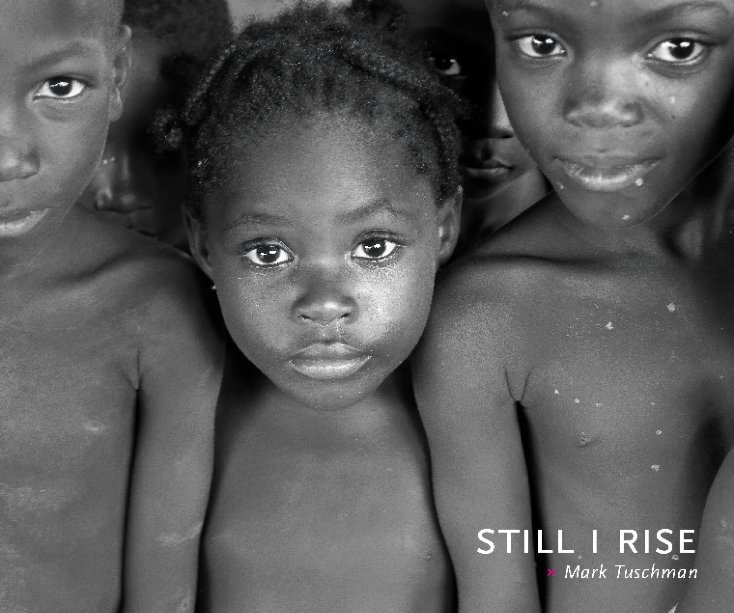


About the Book
Sadly, being born a woman in impoverished parts of our world often means facing insurmountable challenges. Perhaps most daunting of all is the lack of autonomy that women have over their own bodies. Complications from pregnancy and childbirth are the leading causes of death and disability for women of childbearing age in the developing world. Gender-based violence compounds the struggle, resulting in intractable sexual and reproductive health problems, including HIV/AIDS, other sexually transmitted diseases, infertility, maternal mortality, teenage pregnancy, unwanted pregnancies, and unsafe abortions. In fact, it is estimated that gender-based violence causes more death and disability in women between ages 15 and 44 than cancer, malaria, traffic accidents, and war combined (Panos, No 27, 1998).
During the past several years, I have been documenting the issues involved in women’s reproductive healthcare. With a small grant from the Packard Foundation, in conjunction with the non-profit EngenderHealth, I have photographed reproductive healthcare programs in Bangladesh, Tanzania, and Ghana. In Bangladesh, these programs emphasized the treatment of fistula, a rupture of the birth canal passage into the urinary tract. Fistula is caused by both a lack of female reproductive healthcare as well as the cultural practice of forcing young girls to marry and have children at inappropriately young ages. EngenderHealth and I visited various clinics ranging from those in large cities, such as Dhaka, to ones in very small rural communities where the allocated budget for healthcare for women was 1.5 cents per patient per year.
In Tanzania we interviewed and photographed women being treated with anti-viral drugs and medications that were intended to prevent their babies from contracting HIV. Because of the great cultural taboo against AIDS, almost all of the women interviewed were too fearful to tell their husbands they had HIV. Many of the women were abandoned by their husbands and had to manage completely on their own with next to no financial resources. This was often compounded by the high probability that their infants would contract HIV through breastfeeding since formula was prohibitively expensive.
Among the projects I documented in Ghana was a poor community of women fishmongers. The average birth rate in this community was astonishingly high- 8 or more. The children had no access to education and were forced to work to support the family from the very earliest of ages. When times were difficult for the families, children were often sold. Of all the different locations I photographed, this last one made the greatest impression on me, as it so clearly illustrates how vital women’s reproductive healthcare is in alleviating poverty and improving the quality of life for the more than one billion people surviving in such impoverished conditions.
In contrast, I visited several reproductive healthcare clinics that are providing good quality care and counseling. In Bangladesh, family planning services provided long-term birth control medication. In Tanzania we visited several women’s clinics where a full range of reproductive healthcare counseling and treatments were available, including procedures where women could choose to sterilize themselves under an outpatient 15 minute surgical procedure. In Ghana I documented a microfinance project for WomensTrust in Pokuase. One of the resulting benefits of empowering women was their increased desire to limit the size of their families and provide education for their children. The last series of images in this book are from the Well Baby Clinic in Pokuase, Ghana, and schools in Nyamuswa, Tanzania run by Project Zawadi, whose mission is to provide educational opportunities to vulnerable children, particularly young girls.
Asked to define one image that represents poverty, I would choose that of a woman and child. Female reproductive healthcare must become a cornerstone in dealing with poverty if we are ever to successfully tackle this issue. In highlighting these issues through the eyes of individuals, I hope to educate and motivate people to improve the essential human rights of women in the developing world. With that in mind, I would like to complete this project by documenting female reproductive healthcare in India, Ethiopia, and Mexico.
As a successful commercial photographer for nearly 30 years, I understand that in order to spur action around important issues it is vital to create a powerful emotional response by telling a compelling story. My goal, therefore, is to produce a beautiful yet provocative book (this small book being just a cursory sample) and a traveling exhibition that would increase public awareness, generate discussion and debate, and prompt action among all who see its images and stories.
During the past several years, I have been documenting the issues involved in women’s reproductive healthcare. With a small grant from the Packard Foundation, in conjunction with the non-profit EngenderHealth, I have photographed reproductive healthcare programs in Bangladesh, Tanzania, and Ghana. In Bangladesh, these programs emphasized the treatment of fistula, a rupture of the birth canal passage into the urinary tract. Fistula is caused by both a lack of female reproductive healthcare as well as the cultural practice of forcing young girls to marry and have children at inappropriately young ages. EngenderHealth and I visited various clinics ranging from those in large cities, such as Dhaka, to ones in very small rural communities where the allocated budget for healthcare for women was 1.5 cents per patient per year.
In Tanzania we interviewed and photographed women being treated with anti-viral drugs and medications that were intended to prevent their babies from contracting HIV. Because of the great cultural taboo against AIDS, almost all of the women interviewed were too fearful to tell their husbands they had HIV. Many of the women were abandoned by their husbands and had to manage completely on their own with next to no financial resources. This was often compounded by the high probability that their infants would contract HIV through breastfeeding since formula was prohibitively expensive.
Among the projects I documented in Ghana was a poor community of women fishmongers. The average birth rate in this community was astonishingly high- 8 or more. The children had no access to education and were forced to work to support the family from the very earliest of ages. When times were difficult for the families, children were often sold. Of all the different locations I photographed, this last one made the greatest impression on me, as it so clearly illustrates how vital women’s reproductive healthcare is in alleviating poverty and improving the quality of life for the more than one billion people surviving in such impoverished conditions.
In contrast, I visited several reproductive healthcare clinics that are providing good quality care and counseling. In Bangladesh, family planning services provided long-term birth control medication. In Tanzania we visited several women’s clinics where a full range of reproductive healthcare counseling and treatments were available, including procedures where women could choose to sterilize themselves under an outpatient 15 minute surgical procedure. In Ghana I documented a microfinance project for WomensTrust in Pokuase. One of the resulting benefits of empowering women was their increased desire to limit the size of their families and provide education for their children. The last series of images in this book are from the Well Baby Clinic in Pokuase, Ghana, and schools in Nyamuswa, Tanzania run by Project Zawadi, whose mission is to provide educational opportunities to vulnerable children, particularly young girls.
Asked to define one image that represents poverty, I would choose that of a woman and child. Female reproductive healthcare must become a cornerstone in dealing with poverty if we are ever to successfully tackle this issue. In highlighting these issues through the eyes of individuals, I hope to educate and motivate people to improve the essential human rights of women in the developing world. With that in mind, I would like to complete this project by documenting female reproductive healthcare in India, Ethiopia, and Mexico.
As a successful commercial photographer for nearly 30 years, I understand that in order to spur action around important issues it is vital to create a powerful emotional response by telling a compelling story. My goal, therefore, is to produce a beautiful yet provocative book (this small book being just a cursory sample) and a traveling exhibition that would increase public awareness, generate discussion and debate, and prompt action among all who see its images and stories.
Features & Details
- Primary Category: Arts & Photography Books
-
Project Option: Standard Landscape, 10×8 in, 25×20 cm
# of Pages: 80 - Publish Date: Jan 20, 2008
See More